
FDM & Resin Presets
Built-in presets for FDM and resin printers automatically set optimal thickness and piece gap tolerances.
100% Free & No Sign-Up
Generate custom jigsaw puzzle STL files for 3D printing. Choose printer presets for FDM or resin, adjust piece thickness and gap tolerance, then download ready-to-print STL files.
No account needed · Unlimited puzzles · Free ZIP, SVG & DXF export
Create tactile, durable puzzles with your 3D printer
Built-in presets for FDM and resin printers automatically set optimal thickness and piece gap tolerances.
Fine-tune the gap between pieces from 0.1mm to 1.0mm to match your printer's accuracy and material shrinkage.
Set piece thickness from 1mm to 10mm. Thicker pieces are more durable and easier to handle.
Download compact binary STL files compatible with all major slicer software including Cura, PrusaSlicer, and Bambu Studio.
From design to printed puzzle in three simple steps
Upload an image or use the default grid. Adjust piece count, size, and tab shape to your liking.
Choose FDM or Resin preset, or customize thickness and piece gap. The Export panel opens automatically.
Download the STL file, open it in your slicer, and print. Each piece is generated with precise tolerances for a perfect fit.
Creative ways to use 3D printed jigsaw puzzles
Tips for 3D printing jigsaw puzzles at home
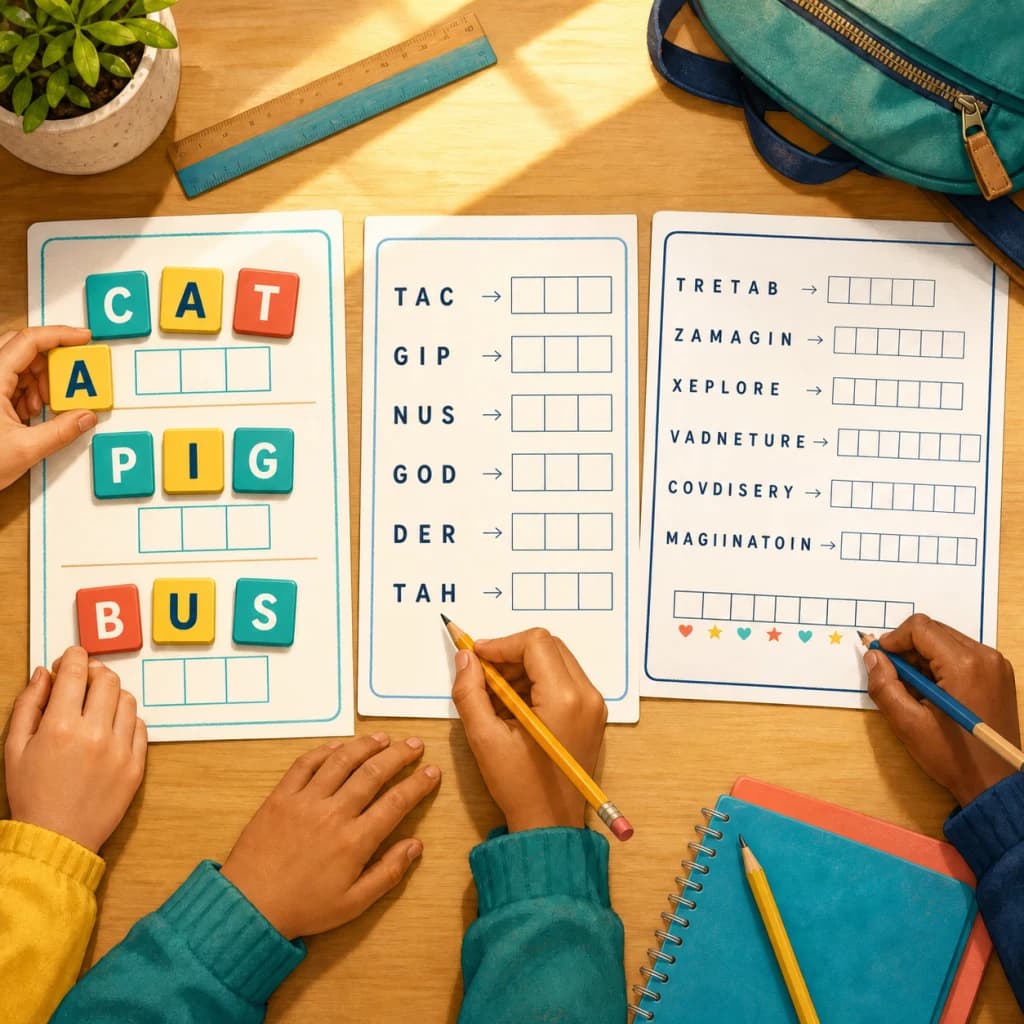
How teachers and parents use word scramble worksheets from K-2 to middle school, with a free printable back to school list and difficulty tips per grade.
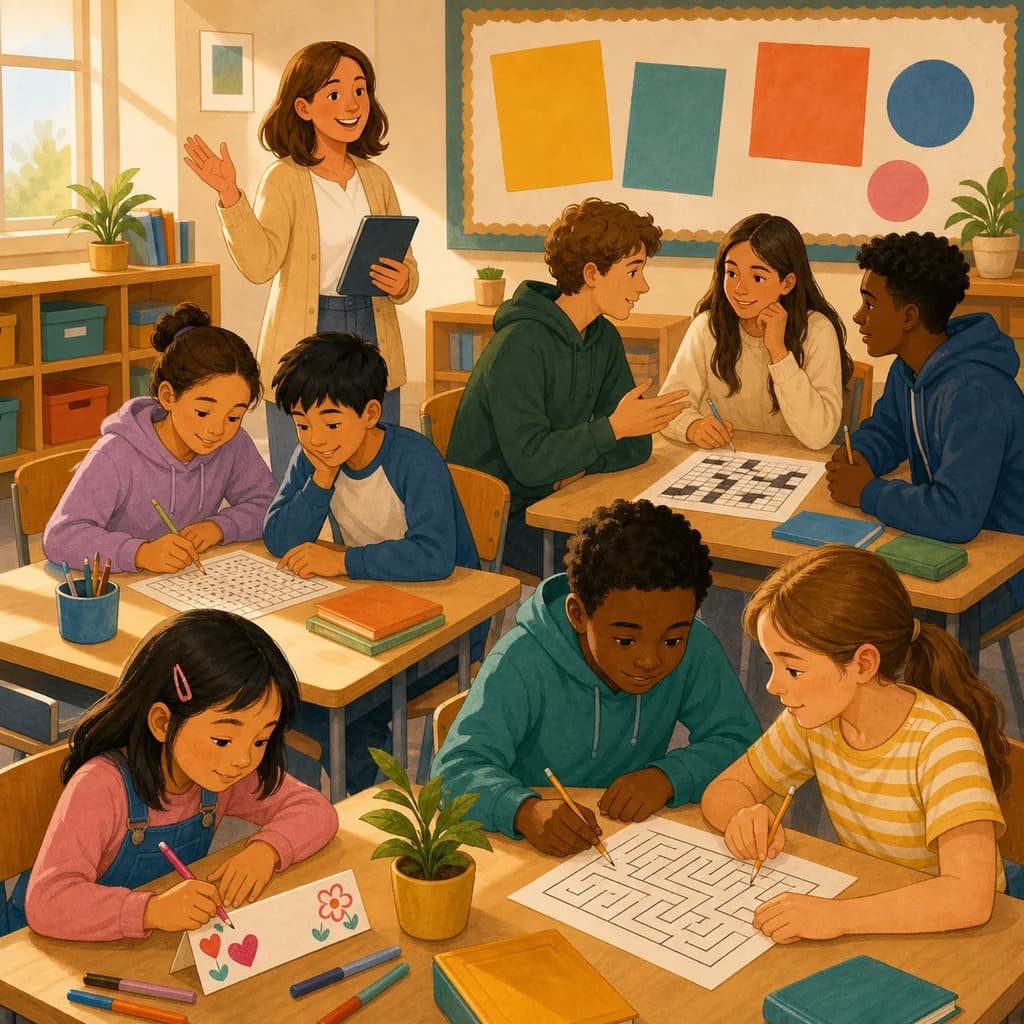
Low-prep first day of school activities for kindergarten through high school, plus a free printable back to school word search and crossword for day one.
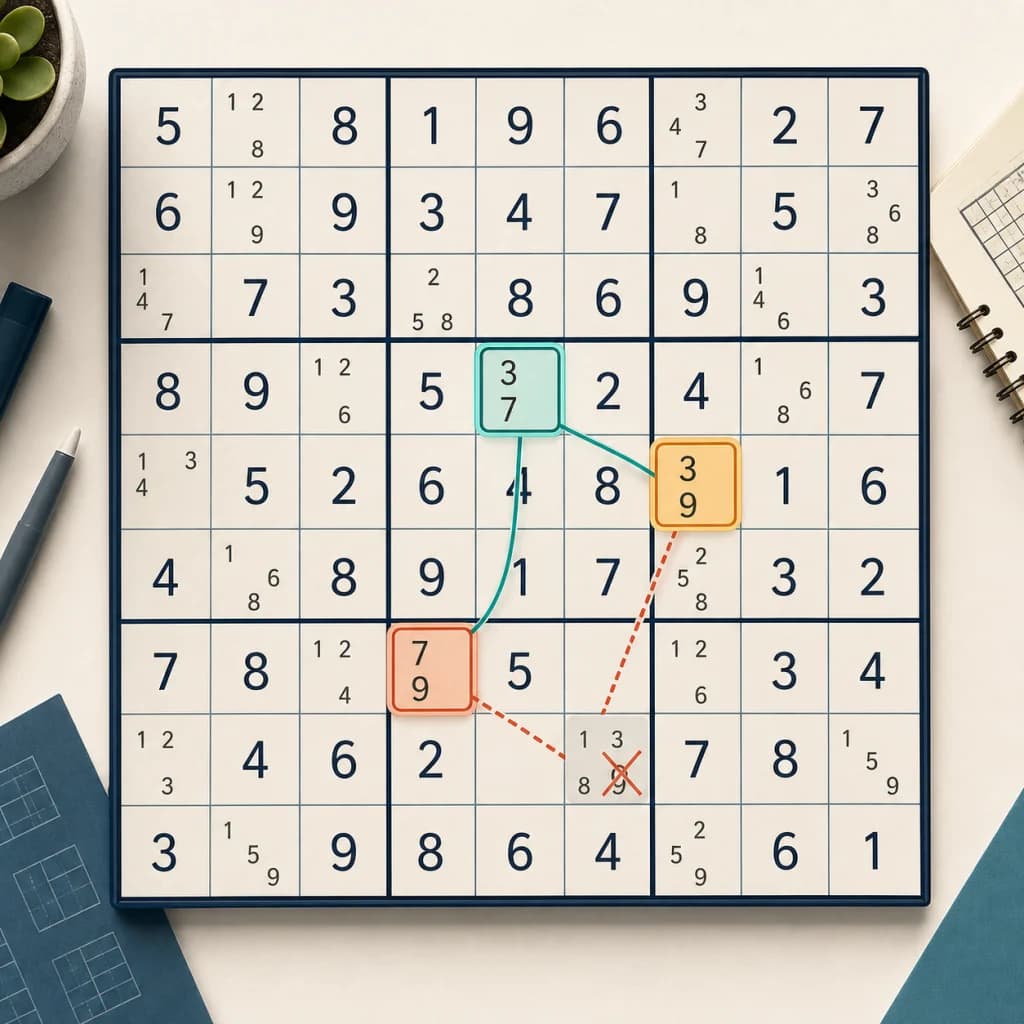
A clear, step-by-step guide to the y wing sudoku technique: what a y-wing is, how to find the pivot and pincers, and how it differs from an X-Wing.
Try our other free puzzle generators
Create custom jigsaw puzzles from your photos
Generate printable Sudoku puzzles with 4 difficulty levels
Build crossword puzzles with your own words
Make word search puzzles for any occasion
Create nonogram puzzles from images or hand-drawn grids
Create custom bingo cards with AI-powered word lists
Create printable mazes with adjustable size and difficulty
Turn quotes into letter-substitution puzzles, printable or shareable
Turn any word list into a printable scramble worksheet with answer key
Unscramble words, then read the numbered letters to reveal a hidden message
Common questions about 3D printing jigsaw puzzles
Generate a custom STL puzzle file in seconds — completely free, no signup required.
Start Creating